Biodiversity



Goals and Performance Highlights
- Establish a framework for sourcing from suppliers certified under the RSPO (Roundtable on Sustainable Palm Oil) by 2027
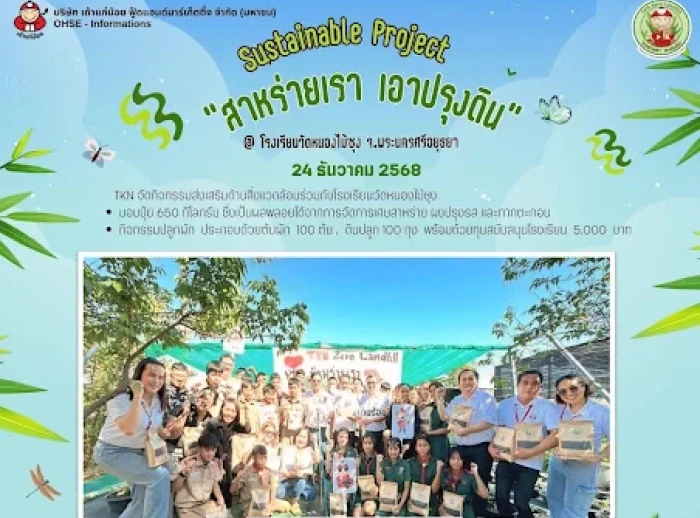
- "Our Seaweed, Our Soil" project — converting 878,609.87 kg of seaweed residues and sludge into soil conditioner, supporting community ecosystems
- Selecting business partners with environmentally friendly processes
- Jointly developing seaweed strains with producers to reduce impacts on marine ecosystems

Challenges and Opportunities
The Company places importance on sustainable raw material
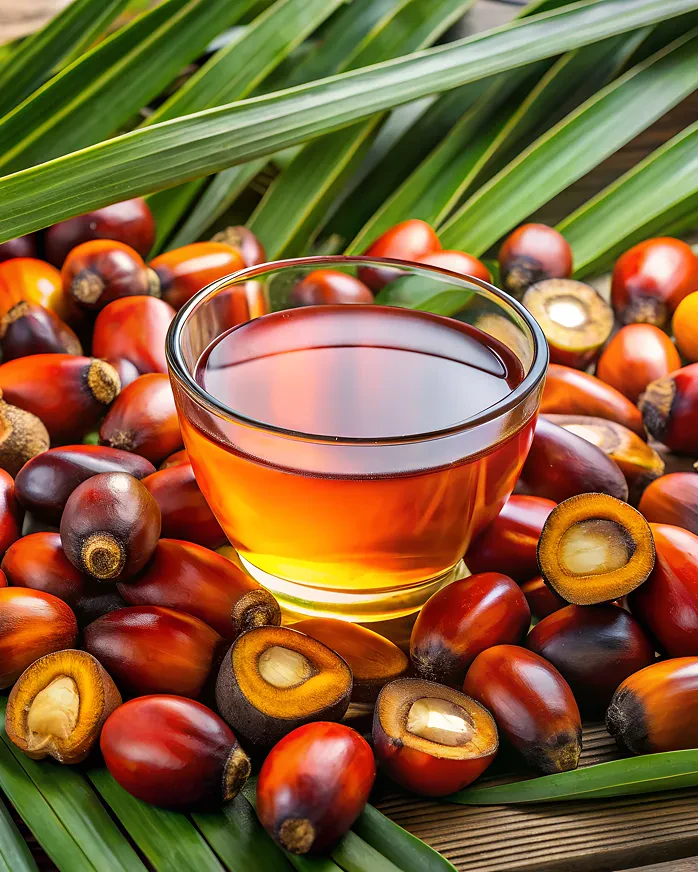
sourcing and plans to support the use of palm oil certified under the RSPO (Roundtable on Sustainable Palm Oil) standard in the future, in order to promote environmentally responsible production and reduce impacts on ecosystems.
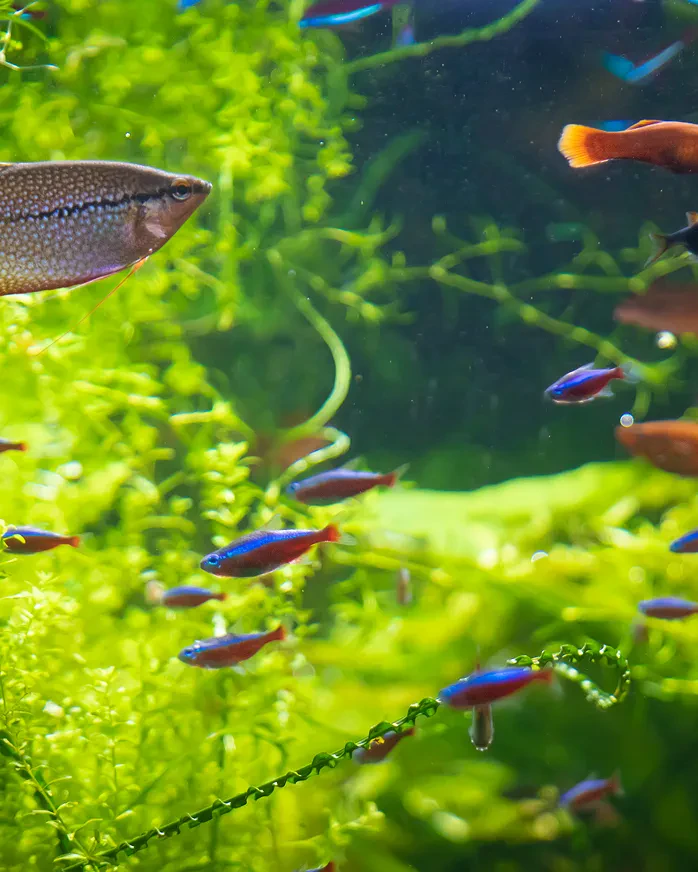
In addition, the Company relies on seaweed as a key raw material, a resource derived from marine ecosystems. The challenge lies in building collaboration with producers to develop seaweed strains that deliver high yields with low environmental impact. The opportunity lies in creating social and environmental value across the supply chain.

Management Approach and Value Creation
Sustainable Raw Material Sourcing Approach
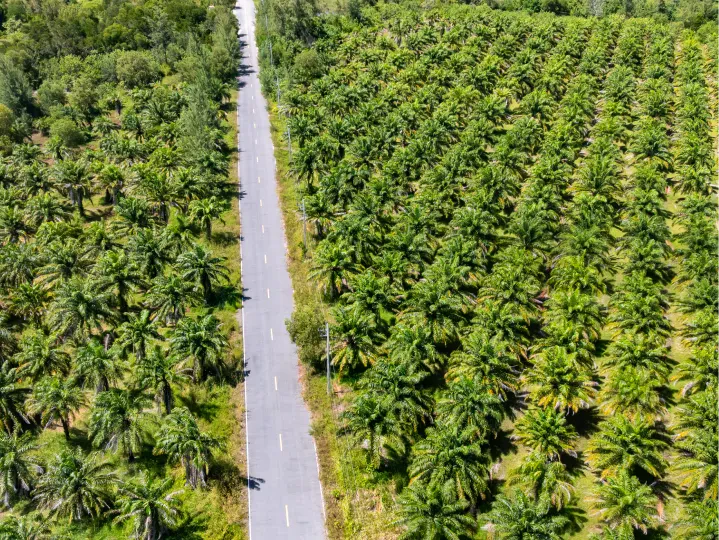
Setting a target to source palm oil certified under the RSPO standard by 2027

Jointly developing seaweed strains with upstream producers in order to increase yields and reduce impacts on marine ecosystems
Selecting raw material and packaging suppliers with environmentally friendly processes
Enhancing the Supplier Selection System in Line with ESG
Supplier Score
(%)

In selecting its business partners, the Company attaches equal importance to quality and to ethical conduct. Business partners must meet the Company's minimum criteria, and in respect of ethical labour practices the Company applies the Thai Labour Standard (TLS) in its verification. The Company also operates an annual supplier assessment system as a further means of verification.
- A-Score 98%
- B-Score 2%
- C-Score 0%
Improving Palm Oil Use
Data on the use of palm oil and other oil types in 2025
(%)
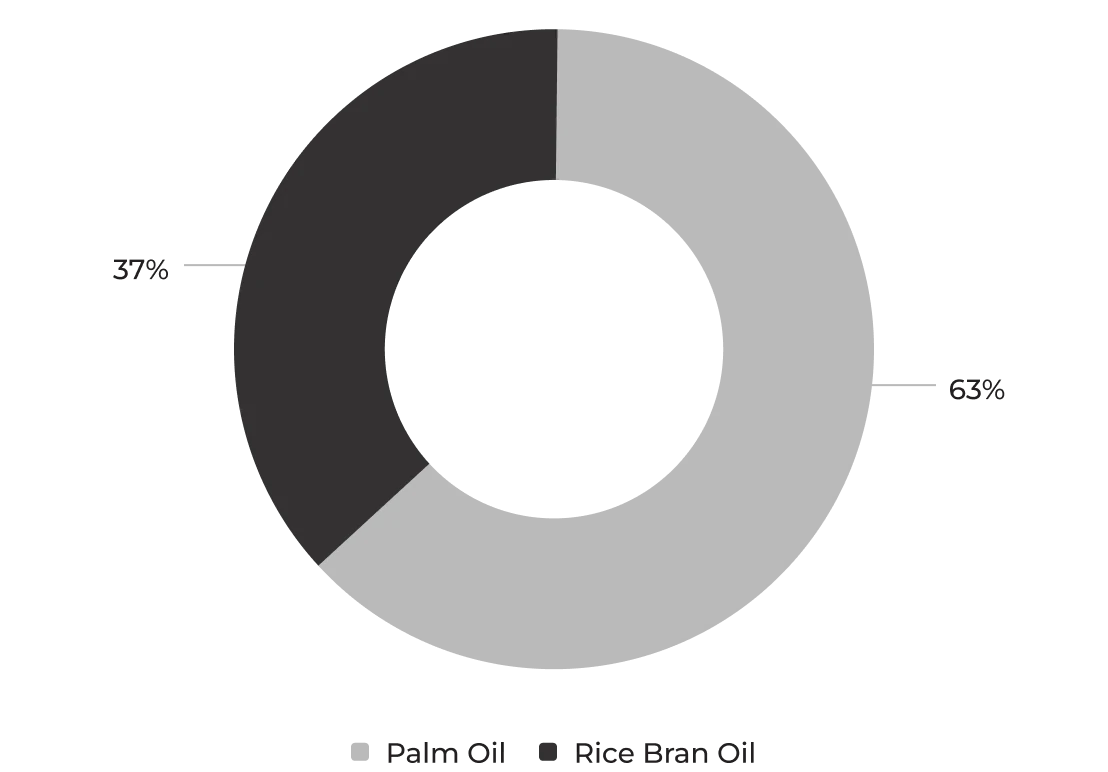
The Company has improved its production processes in order to reduce the impacts arising from the use of palm oil. At present, it has reduced its palm oil consumption by increasingly switching to rice bran oil in production. In 2025, the Company used rice bran oil as a substitute for palm oil, and in 2026–2027 it plans to upgrade its tempura product line with a target of reducing palm oil use by 50 per cent, as well as planning to move to RSPO-certified palm oil in the future.
- Palm Oil 37%
- Rice Bran Oil 63%
Circular Economy Projects Supporting Ecosystems
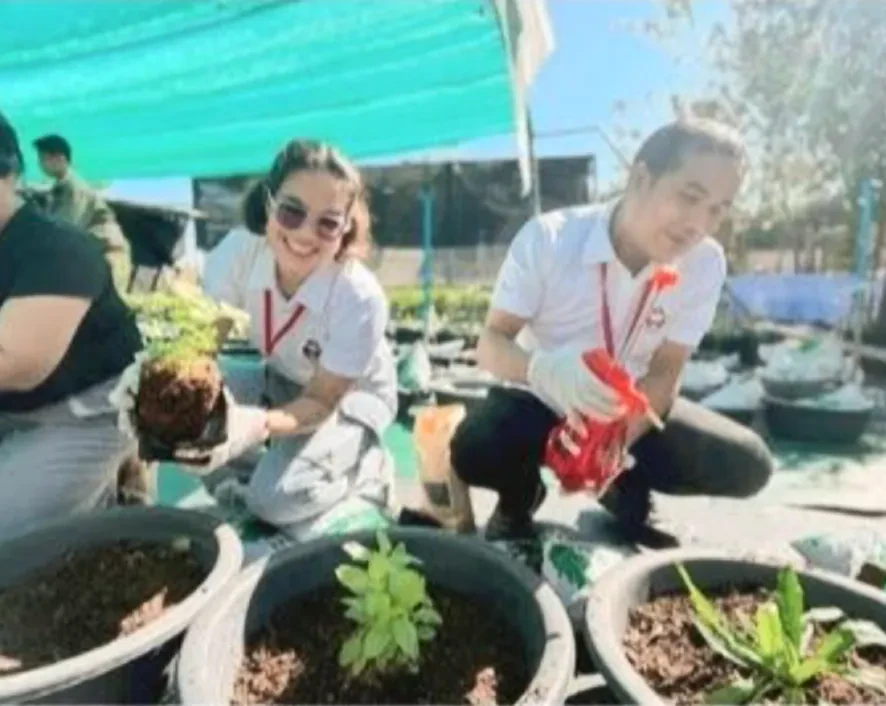
The "Our Seaweed, Our Soil" project
Converting seaweed residues, molasses and sludge from the wastewater treatment system into high-quality soil conditioner.
Were processed and delivered to schools and communities surrounding the factories for use in vegetable-growing projects and the creation of forest gardens.
Stakeholders Directly Impacted

Shareholders / Investors

Customers / Consumers

Business Partners