Human Rights and Community
Supporting the SDGs Goals



Goals and Performance Highlights
Goals
- Zero human rights violations (0 cases)
- Continuously maintain 100% compliance with the legally required employment rate and career support for persons with disabilities
- Expand the dual vocational education programme to build a quality workforce for the industry
- Prepare a Human Rights Due Diligence (HRDD) assessment and review it annually
Performance Highlights 2025
- No human rights violations were identified (0 cases); accordingly, no remediation cases arose
- Employee engagement score of 86.4%
- Employment of persons with disabilities: 2 persons under Section 33 and 26 persons under Section 35 (28 in total)
- Dual vocational education programme: student numbers increased by 137%, from 27 (2024) to 64 (2025)
- Coach Kru: increased from 8 to 19 coaches
- MOU network educational institutions: 11 institutions
- Certificate of Honour received: Establishment supporting subcontracted work for persons with disabilities, 2025

Challenges and Opportunities
TKN Dual Vocational Education Programme
Challenges
- Generation gap: collaboration between "Coach Kru" (senior employees) and Gen Z students may encounter obstacles in communication and attitudes; in-work coaching is therefore provided, with emphasis on helping students understand the Company's ways of working
- Expectations regarding remuneration and career paths: today's students attach importance to competitive remuneration and clear growth opportunities
- Maintaining learning standards at scale: as student numbers expand from 27 to 64 or beyond, maintaining consistent Coach Kru quality across the entire factory is a challenge
Opportunities
- Reduced hiring costs: dual vocational students represent "ready-to-work talent"
- Fresh perspectives for Kaizen: new-generation innovation helps drive Kaizen projects within the factory
- Strengthening the employer brand
Employment of Persons with Disabilities
Challenges
- Allocating job types under Section 35 in a way that genuinely matches the skills of persons with disabilities in each area, and creating a factory environment that accommodates all types of disability (universal design)
Opportunities
- Building the Company's sustainability image (ESG brand) and creating careers for people in local communities



Management Approach and Value Creation
TKN Dual Vocational Education Programme
"We do not simply provide employment; we build a sustainable learning ecosystem."
Strategic objectives:

Networking for Future
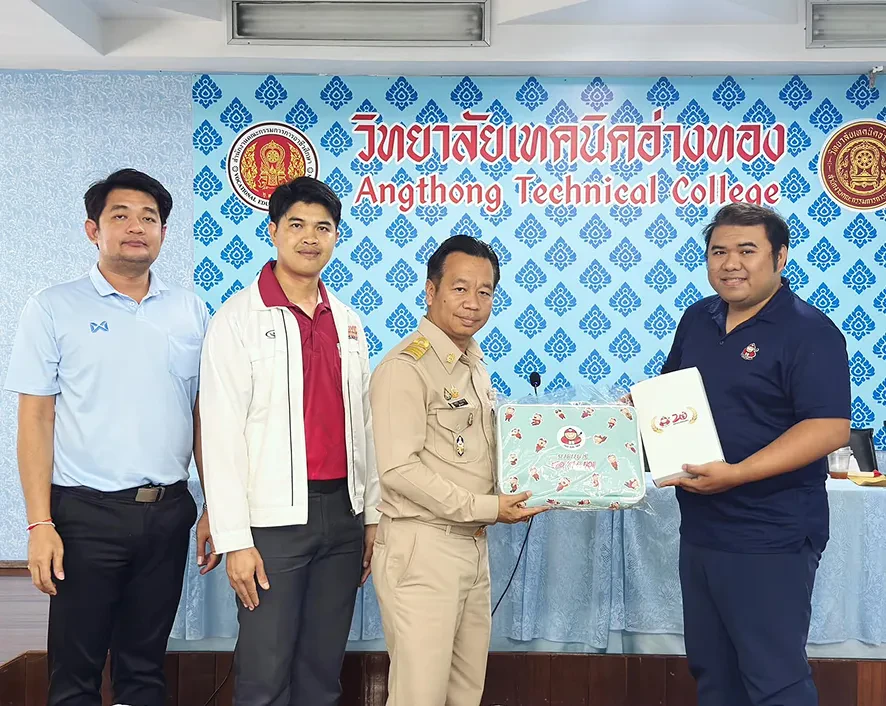
Collaborating with the Office of the Vocational Education Commission (OVEC) and more than 11 leading technical colleges near the factories to build a talent pipeline

Bridge the Gap
Connecting theory to practice in developing professional competencies so that students acquire skills meeting international professional standards

Coach Kru Program
Transforming internal staff into "teachers who give", developing their coaching skills in order to nurture students to grow with quality

Organizational Resilience
Building workforce stability to support future business growth
Skill development tracks:

A. Engineering and production track
PLC, machine design, QA and pest control for the food industry — student numbers up 137% (27 → 64), Coach Kru from 8 to 19

B. Information technology track
Web development, SQL Server, PDPA/cybersecurity — some students were appointed as permanent employees after completing the programme
Sustainable Employment and Career Creation for Persons with Disabilities
"Disability is not a limit on potential." The Company applies a "respect for human rights" approach through two principal models:

Direct employment within the factory (Section 33):
Appointing persons with disabilities to production line and office roles as appropriate

Support for independent occupations within the community (Section 35):
Providing budget to engage subcontracted services from persons with disabilities in areas surrounding the factories — for example, integrated farming, with duck eggs supplied back to the Company for distribution to employees
Shifting from charitable assistance towards social value creation, by enabling persons with disabilities to form part of the value chain and to play a role alongside the Company and the community with pride.
Stakeholders Directly Impacted

Employees (including migrant workers and persons with disabilities)

Communities surrounding the factories

Student and youth groups

Government Agencies and Educational Institutions

Business Partners

Persons with disabilities (both employees and members of the community)