
Customer Responsibility


Goals and Performance Highlights
- Maintain international standards of product quality and safety
- 100% of products pass quality and safety inspection
- Maintain a high customer satisfaction score
- Both factories hold full international standard certifications (ISO 9001, GHPs, HACCP, BRCGS, HALAL)

Challenges and Opportunities
Today's consumers place increasing importance on nutritional value, safety and the social and environmental responsibility of the products they buy.
- Maintaining quality and safety standards across the entire chain while developing products that respond to the growing healthy snacking trend.
- Building on the rising popularity of Asian foods and in communicating the social and environmental value of the Company's products to consumers more meaningfully.
Management Approach and Value Creation
Production Standards and Certifications
The Company has established a Product Quality and Safety Policy, overseen by a dedicated internal function and subject to regular verification, in order to build confidence and create value in the products delivered to consumers. The key elements of the product quality and safety policy are as follows.
Summary of the Key Elements of the Product Quality and Safety Policy
1. Objective
Taokaenoi Food & Marketing Public Company Limited (the "Company") is committed to manufacturing and distributing products in accordance with standards and guidelines for controlling the management of quality and safety across all categories of the Company's food products, in line with international standards, in order to prevent substandard products that may be unsafe from reaching consumers, and to deliver happiness and products of value to consumers worldwide.
This policy therefore establishes a framework for managing product quality and safety across the entire value chain, from raw material sourcing, production, storage and distribution through to the consumer, supporting SDG 3 (Good Health and Well-being) and SDG 12 (Responsible Consumption and Production).
2. Scope
This policy covers operations in every part of Taokaenoi Food & Marketing Public Company Limited, including both the Nopphawong and Rojana production facilities, and applies from the sourcing of raw materials and packaging, production processes, storage, finished goods inspection and transportation through to the delivery of products to customers and product recall.
3. Core Principles
The Company maintains a quality and food safety policy grounded in the concept that "quality, the advancement of product safety, care for customers and consumers, compliance with the law, and product authenticity are at the heart of the Taokaenoi people", together with an organisation driven by the values of the "TKN GREAT culture", namely Growth Mindset, Resilience, Excellence, Accountability and Teamwork.
This also includes operating in accordance with international operating and manufacturing standards, and strict compliance with the relevant laws and regulations both domestically and in destination countries, while continuously developing in response to business partners and consumers, in terms of complaints, suggestions and customer & consumer behaviour trends (continuous improvements), and maintaining transparency in disclosing product information for every product.

4. Relevant Standards & Laws
The Company manages and carries out its manufacturing operations through quality control under the relevant standards, covering both the country's regulations governing the manufacture of products for domestic consumption and international standards, as well as import standards and customer & importer requirements in each country, comprising:


| Standard | ||
|---|---|---|
|
ISO 9001:2015  |
Rojana Factory (RJN) TH17/10292 |
Nopphawong Factory (NPW) TH08/1153 |
|
ISO 14064-1 (GHG)  |
Rojana Factory (RJN) TH22/00000315GG |
Nopphawong Factory (NPW) - |
|
ISO 45001:2018 (OH&S)  |
Rojana Factory (RJN) TH24/00000202 |
Nopphawong Factory (NPW) - |
|
GHPs Codex Alimentarius  |
Rojana Factory (RJN) TH17/10293 |
Nopphawong Factory (NPW) TH08/1715 |
|
HACCP Codex Alimentarius  |
Rojana Factory (RJN) TH17/10294 |
Nopphawong Factory (NPW) TH08/1714 |
|
BRCGS Global Standard  |
Rojana Factory (RJN) TH18/11054 |
Nopphawong Factory (NPW) - |
|
HALAL Assurance  |
Rojana Factory (RJN) LPPOM-00100078080816 |
Nopphawong Factory (NPW) - |
|
HACCP, Department of Fisheries (Export)  |
Rojana Factory (RJN) TB5/8 |
Nopphawong Factory (NPW) TA2/7 |
|
GMP, Department of Fisheries (Export)  |
Rojana Factory (RJN) TB5/6 |
Nopphawong Factory (NPW) TA2/8 |
5. Goals & Indicators
Corporate goals are set by the Chief Executive Officer (CEO), the management working group and the Quality Management Representative (QMR). The principal goal is to maintain the quality and safety management standard system, to manufacture products that are hygienically correct and authentic, with zero critical defects and full traceability across the entire supply chain, comprising:
- Production facilities maintain certification in the standards relevant to manufacturing continuously every year — 100% complete
- 100% of manufactured products undergo quality and safety inspection before release
- Food Safety Recall Case = 0
- Response to customer complaints within 24 hours in cases of food safety or legal issues
- Maintain customer satisfaction, with the CSAT score at a high level (every year)

6. Quality & Food Safety Control
6.1 Sourcing and Inspection of Raw Materials for Production
- Incoming Quality Inspection (IQI) of raw materials and packaging is carried out in accordance with the TKN Specification and the acceptance sampling plan (AQL).
- Risk is analysed and assessed across all 8 hazard categories, namely biological, chemical and physical hazards, food fraud/adulteration, allergens, radioactivity, food defense (malicious intent) and GMOs.
- Raw materials that meet the criteria are recorded with the status "UR = Unrestricted use" in the SAP system. Where an issue is identified, use is suspended (Hold) and the procurement department is notified to liaise with the supplier under the SDP (Supplier Development Program).

6.2 Control of the Production Environment and Inspection of Production Stages
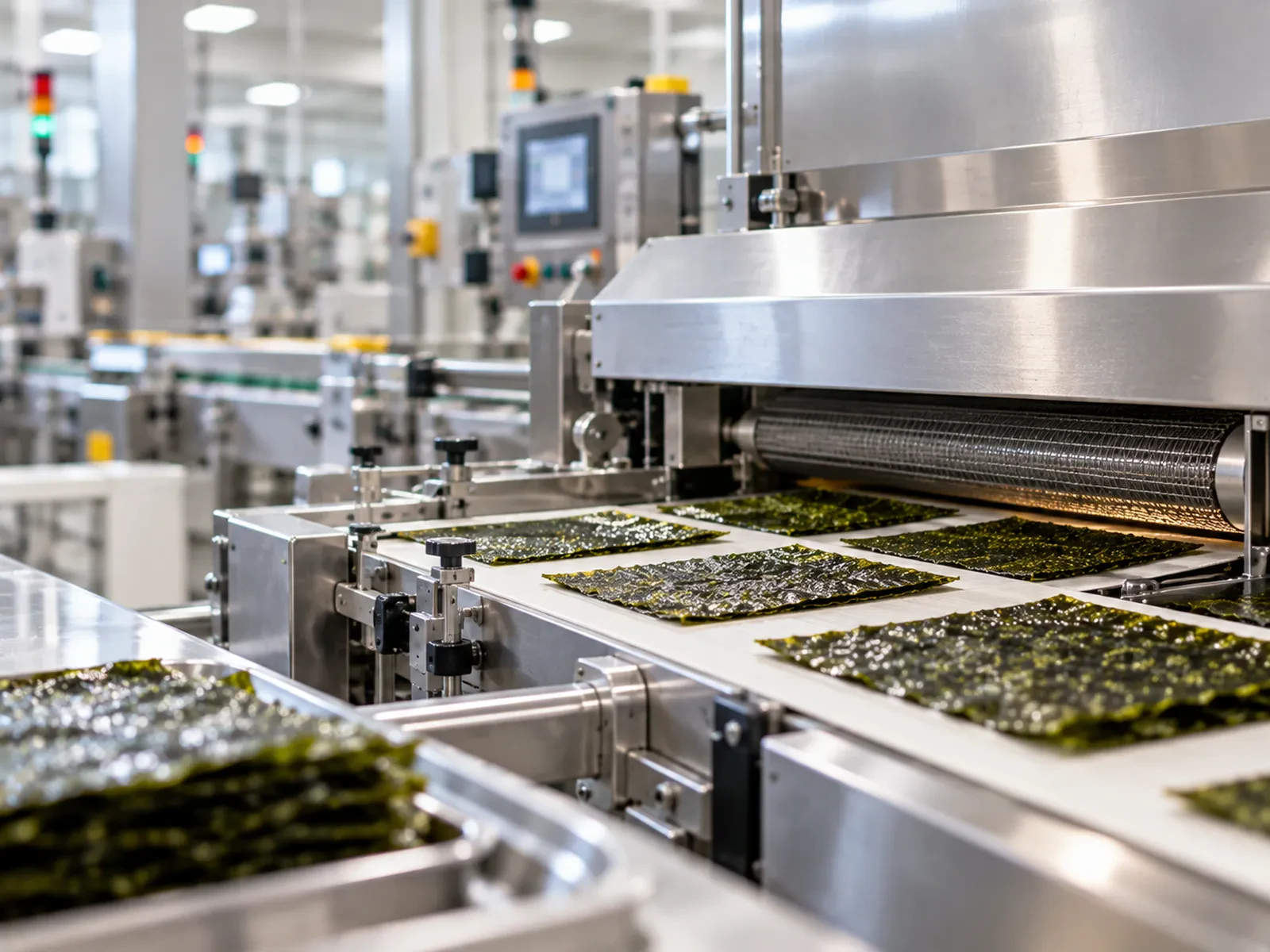
- The Company controls the working environment through Prerequisite Programs (PRPs), such as cleaning and disinfection, pest management, machinery maintenance, personal hygiene and the prevention of cross-contamination.
- Critical control points (CCPs) are strictly controlled during production, such as the temperature and time for frying, grilling and baking, and the use of X-ray equipment to detect foreign objects.
6.3 Control and Inspection of Finished Goods
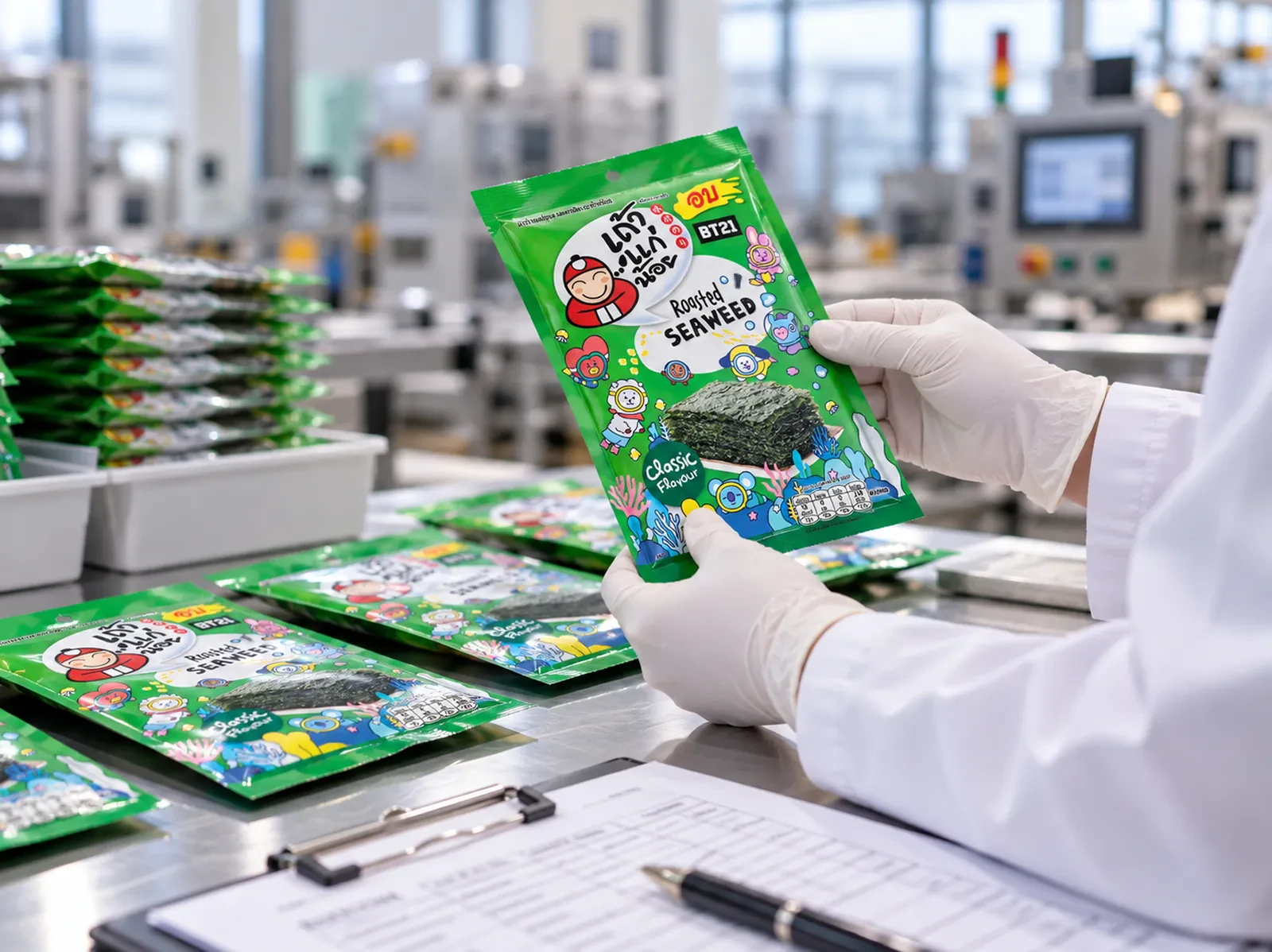
- Finished goods samples from every production lot are taken for microbiological, chemical, physical and sensory analysis. Products meeting the defined specification are released for storage or delivery to customers.
- Retain samples are held in line with the actual shelf life of the product, with ongoing shelf life monitoring carried out at 60%, 80% and 100% of the product's shelf life.
6.4 Practices for Controlling Products that Do Not Conform to Requirements
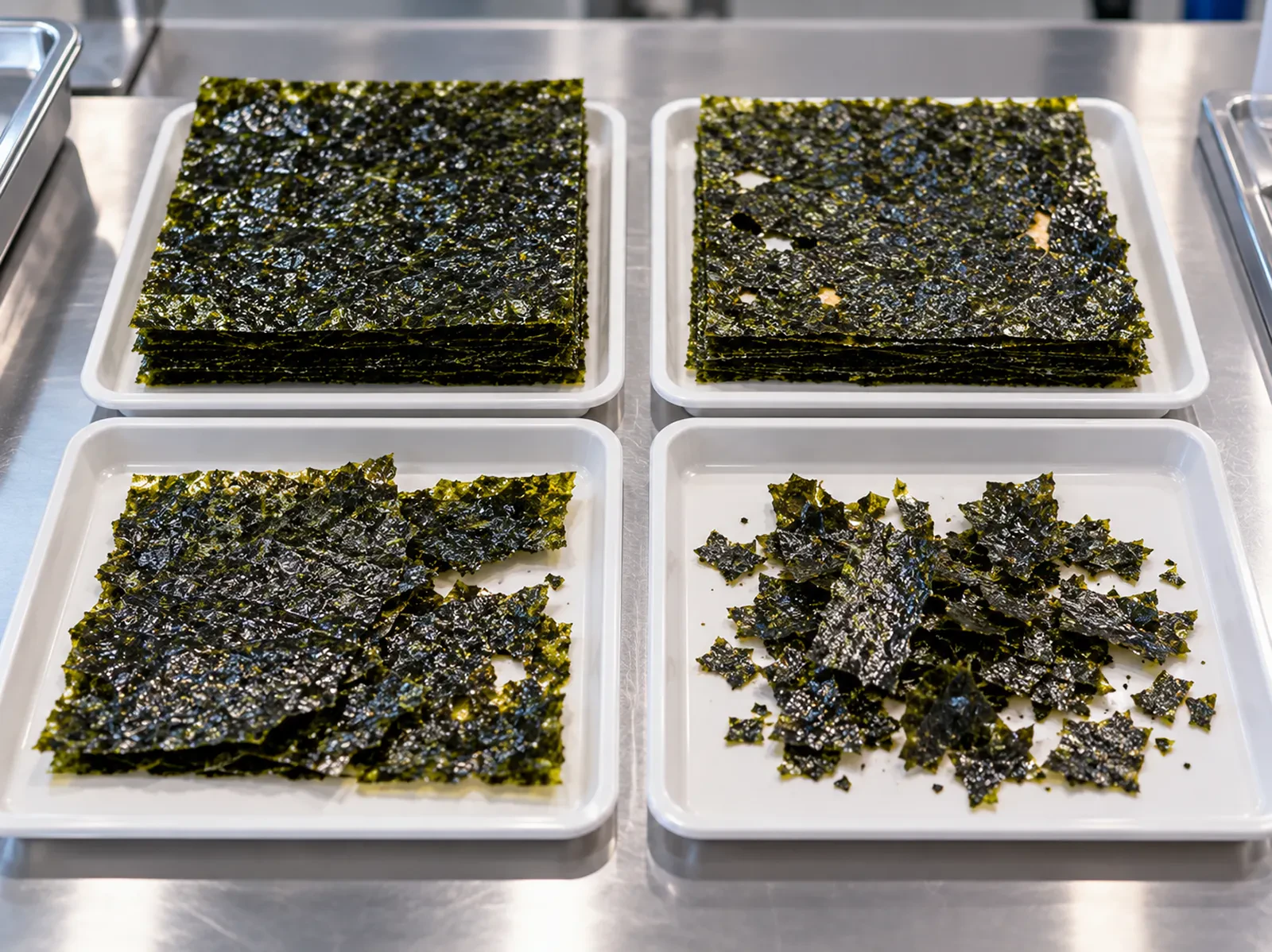
- Defects are classified into 4 levels: Minor, Major, Critical and HALAL.
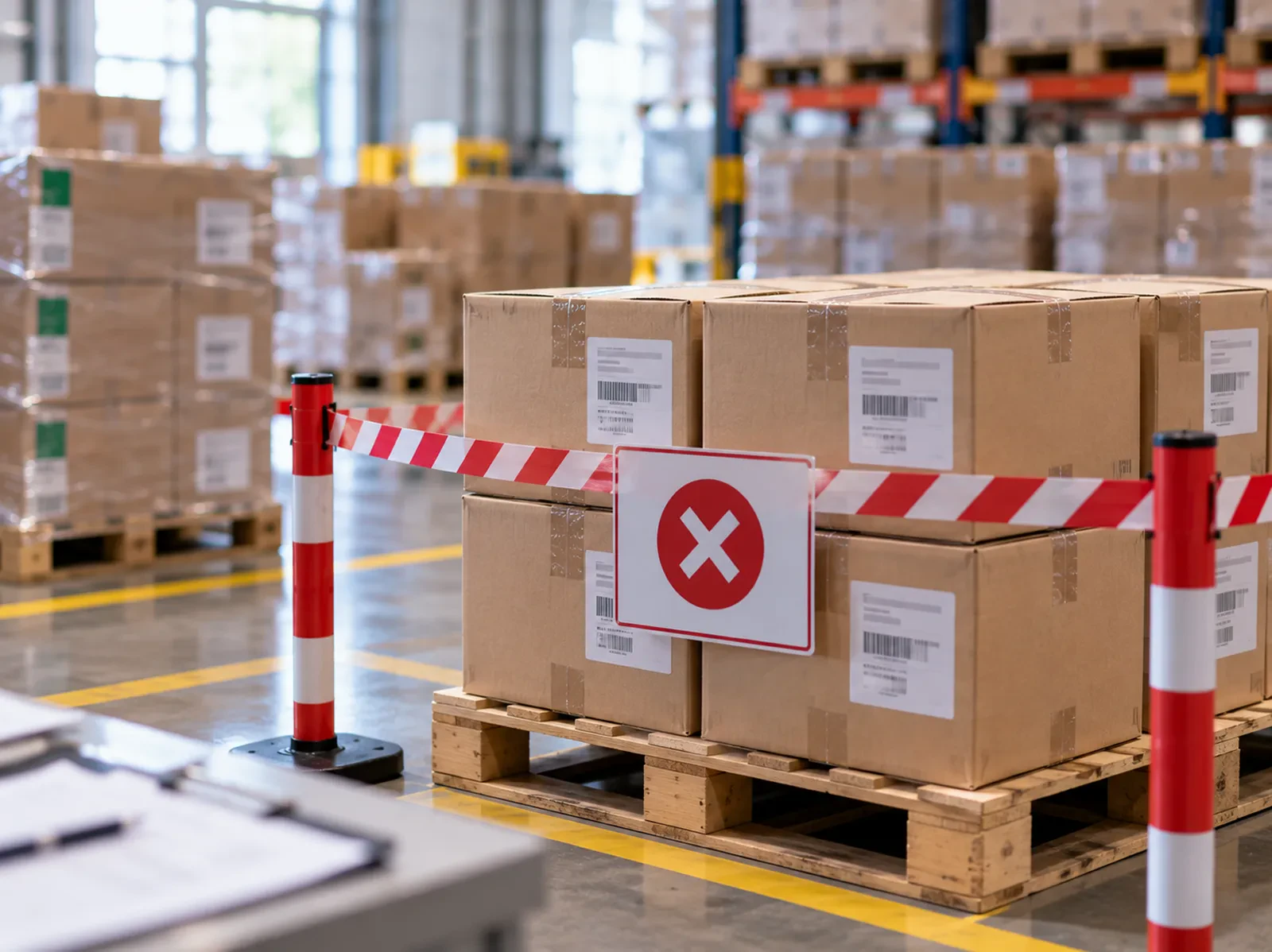
- Products that fail to meet the criteria are immediately tagged "HOLD" (red) and corrective action is considered, such as 100% sorting, rework, downgrade or destruction, with approval authority depending on the level of severity (the QMR/COO/MD approves Major/Critical cases).
7. Storage & Transportation
- Environmental conditions, including temperature, are controlled and monitored for the storage of raw materials and finished goods. Where a temperature deviation from the standard is identified, samples must be taken immediately to test for pathogens.
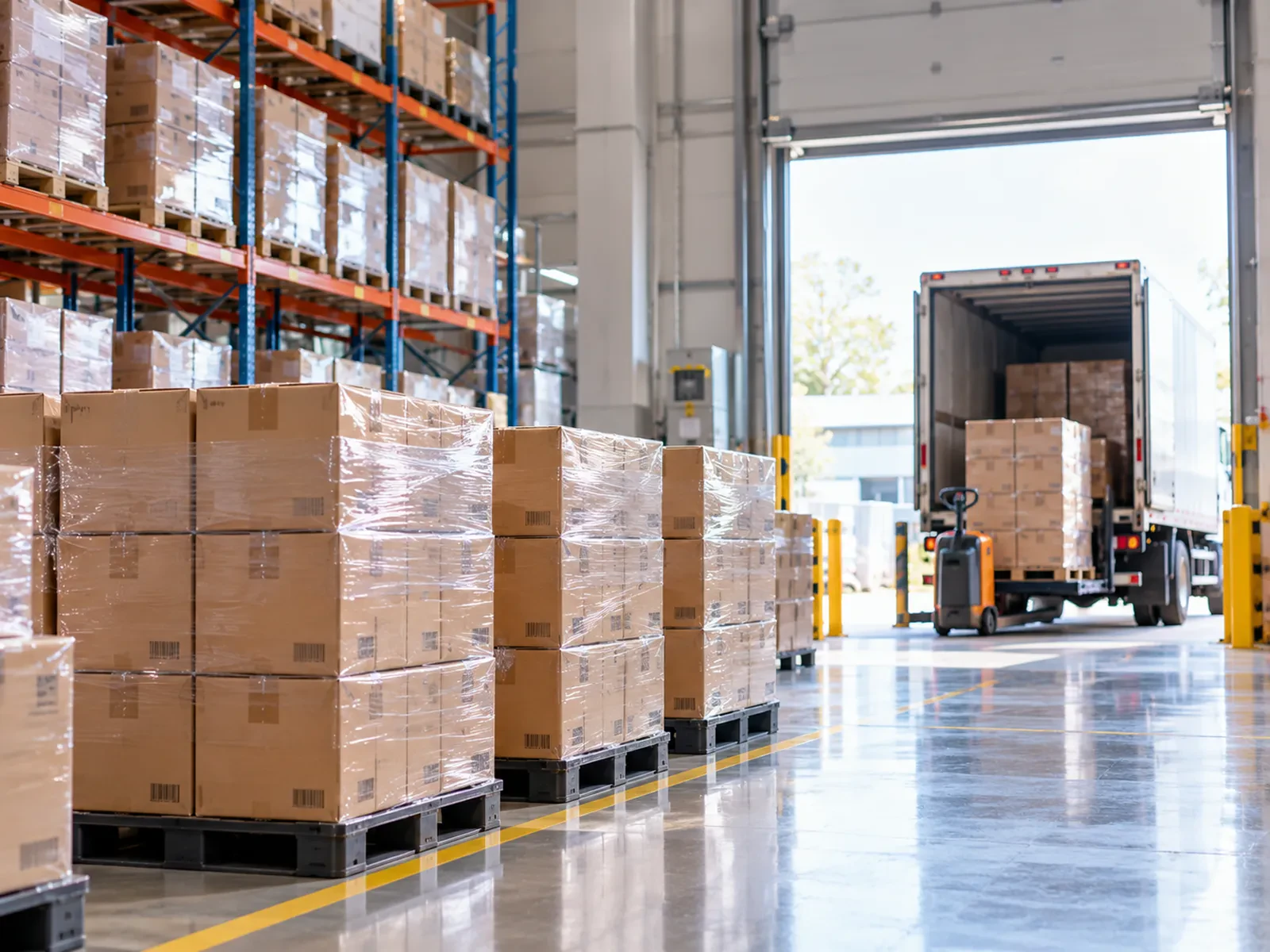
- Products for delivery are inspected for integrity and released for the loading stage into containers or delivery vehicles that have already passed inspection, which must be clean and free from any dirt that could cause contamination.
- The customer name, product list, production and expiry dates and packing quantity are checked against the production order and delivery note on every shipment.
- Temperature must be maintained to standard during transportation, and on arrival at the destination, warehouse staff carry out a detailed inspection of the interior and exterior of the shipping container.
8. Product Recall
Where a product already delivered is found to be unsafe, or a complaint of high severity is received (affecting life or health), the Company will immediately consider withdrawing and recalling the product (Class I, II, III recalls), providing accurate recall details to customers and consumers, and must notify the Certification Body (CB) within 3 working days, as well as notifying the certification bodies from which the Company holds certification, in accordance with the applicable requirements.
In such cases, traceability and mass balance testing of the product are carried out so that action can be taken rapidly, in accordance with the requirements of the BRCGS standard (within 2 hours), and a mock recall is conducted every 6 months.
9. Customer Complaint Management
Feedback is received through the Customer Complaint Management system in a systematic manner and used for continuous improvement.
Complaints relating to food safety are forwarded to the relevant functions and the HACCP team for root cause analysis meetings. Where recurring problems are identified, a CAR/PAR is issued to prevent recurrence.

10. Consumer Safety & Nutrition


11. Training and Learning
All employees involved in manufacturing, whether directly or indirectly, must complete training in the standards relevant to the manufacture of food for consumption for which the factory is certified, namely GMP, GHP, HACCP, BRCGS, Halal (CICOT) and Halal (MUI),
as well as the factory's operating standards, namely ISO 45001 Occupational Health and Safety Management System, with refresher training provided every year. Learning and skills development in production quality and other related areas is also promoted in order to improve operational efficiency.
12. Monitoring and Review
- Quality indicators are reported to senior management, or to the executive assigned, on a monthly basis/as prescribed.
- Performance is disclosed in the Annual Report.
- The policy is reviewed at least once a year.
Enhancing Customer Satisfaction and Relationships
The Company seeks to strengthen customer relationships through:


Stakeholders Directly Impacted

Customers / Consumers

Business Partners (Distributors, Retailers)

Shareholders / Investors

