Pollution and Resources


Goals and Performance Highlights
- Zero Waste to Landfill
- No environmental complaints and no environmental fines paid
- Reduce waste from production processes by 30% (per 1 Ton FG) by 2028
- 878,609.87 kg of biological waste composted into fertiliser/soil conditioner.
- 249,790 kg of waste converted into Refuse Derived Fuel (RDF)
- No environmental complaints and no environmental fines paid throughout 2025
- Met all legal air quality control criteria across every parameter (TSP, CO, NOx, SO2)
- Assessed and certified as Green Industry Level 2 by the Ministry of Industry

Challenges and Opportunities
The Company continues to improve and develop its production processes in order to reduce production waste effectively.
Waste generated at every stage of production is managed in strict compliance with applicable environmental laws, regulations and requirements.
The Company also has a policy of developing waste in accordance with upcycling principles, whereby waste generated at every stage of production is further processed for recycling so that it can be put to other beneficial uses.
Management Approach and Value Creation
The Company has established policies and targets relating to environmental management, as well as an energy management policy, both of which operate within the requirements of environmental law and reflect its commitment to sustainable development, while preventing impacts on employees, surrounding communities and stakeholders. In the past year, the Company received no complaints concerning environmental issues.
The Company participated in the Green Industry pilot programme and was assessed and certified as Green Industry Level 2 by the Ministry of Industry, having implemented a range of activities that help reduce environmental impacts.
Waste Management
The Company is committed to reducing the volume of waste generated by controlling production quality and modifying production processes to reduce the waste arising from them, as well as by changing waste disposal methods so that waste is recirculated for other beneficial uses:
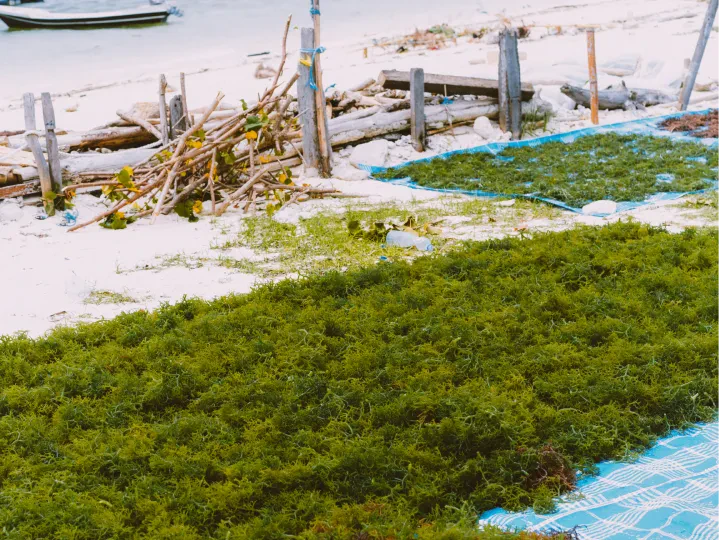
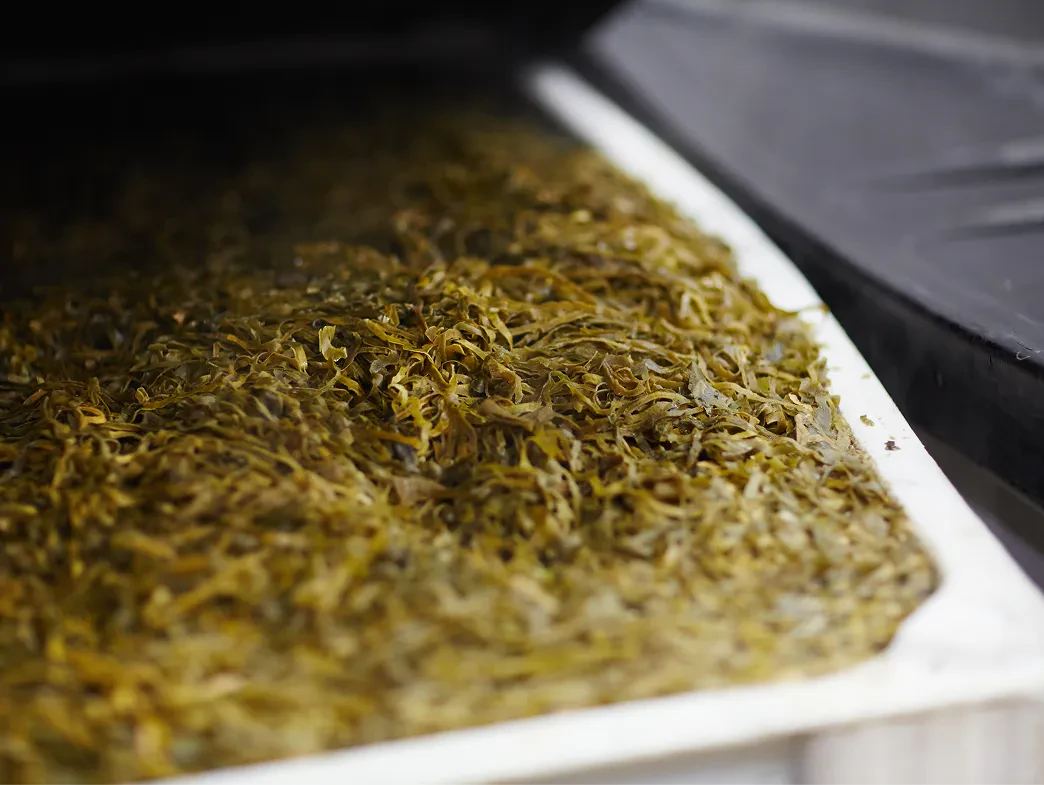
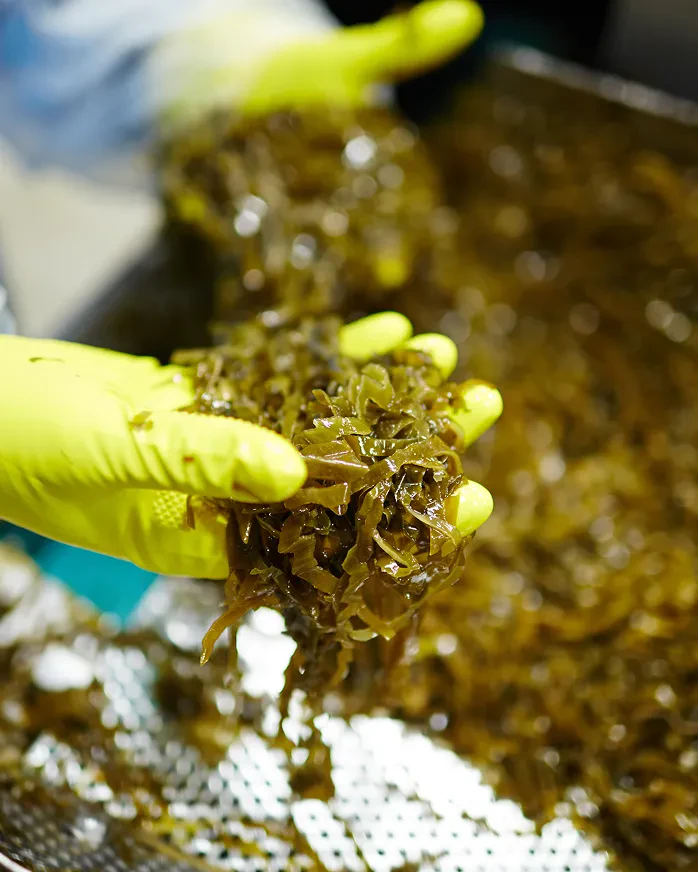
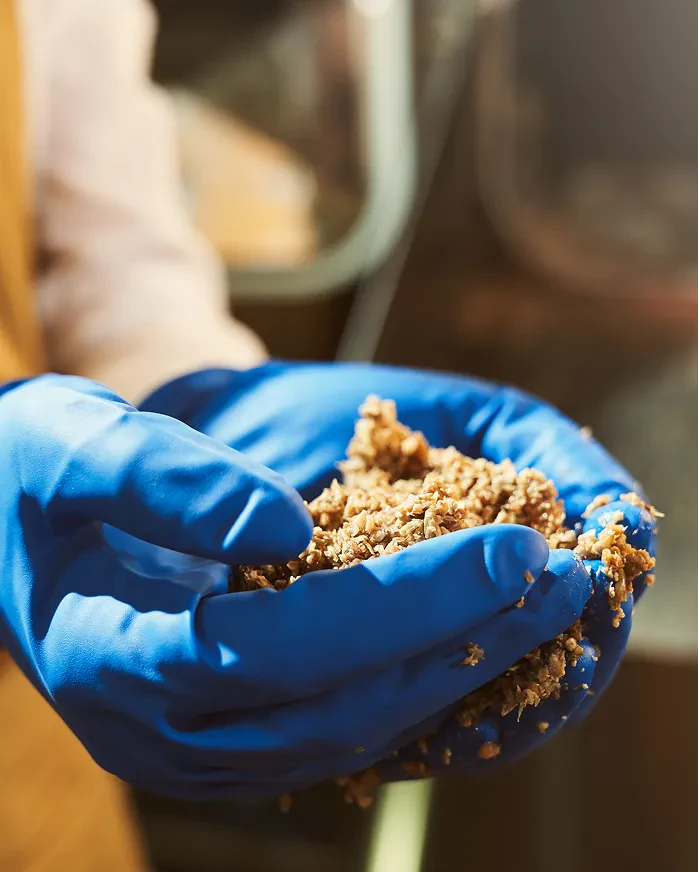
Seaweed residues / molasses / sludge are converted into organic fertiliser
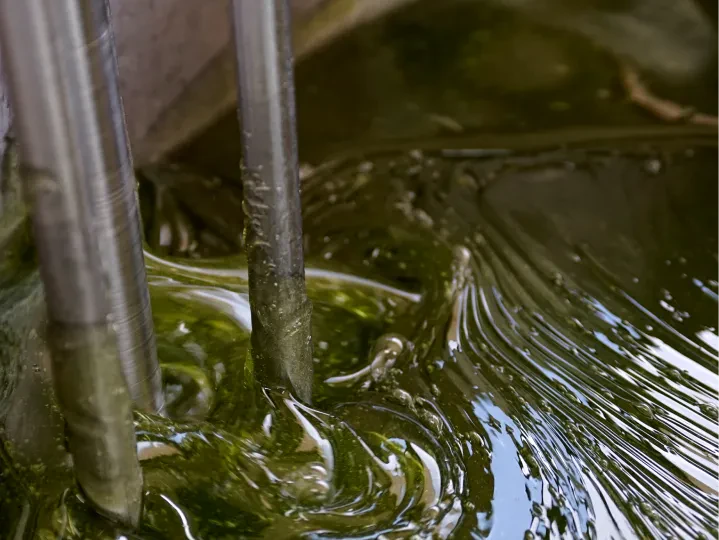
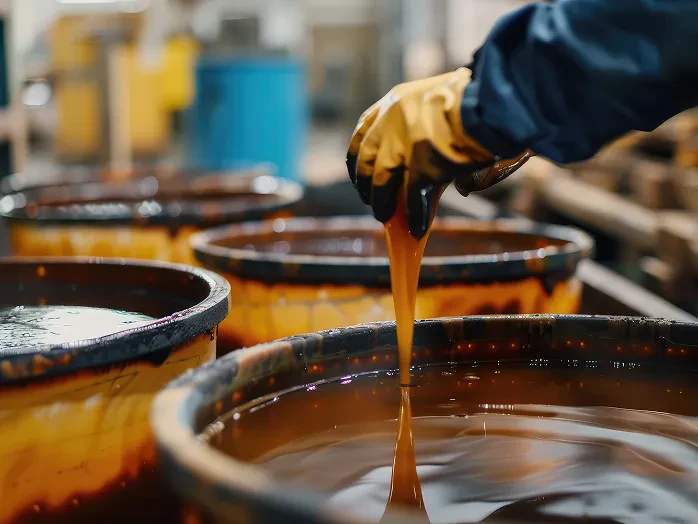
Oil from the production process is sold on to companies licensed by the Department of Industrial Works for recycling
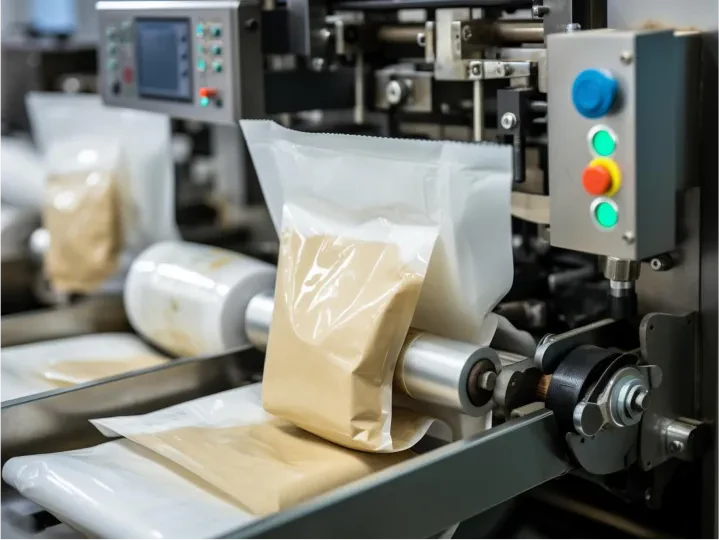
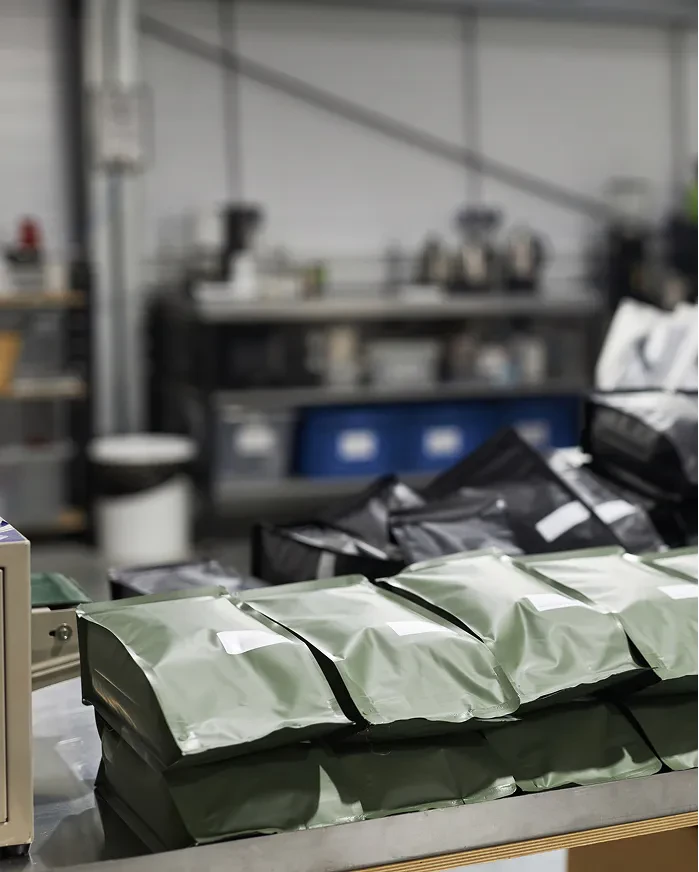
Substandard packaging and packaging components remaining from quality sampling are converted into Refuse Derived Fuel (RDF) and upcycled into recoverable materials
The Company aims to continuously reduce the volume of waste leaving its production processes, with a target reduction of 30% (per 1 Ton FG) by 2028.
Compliance with Environmental Laws
The Company complies with environmental laws in respect of both the disposal of hazardous waste, such as light bulbs and chemically contaminated containers, and non-hazardous waste arising from production processes, such as seaweed residues, molasses and sludge, engaging service providers licensed by the Department of Industrial Works, reporting to the Department of Industrial Works, and completing environmental assessments by legally accredited companies in full.
In 2025, the Company received no complaints and paid no environmental fines.
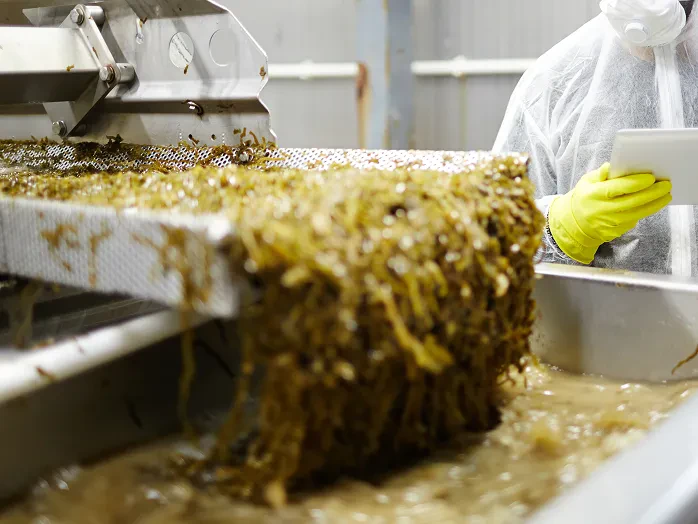
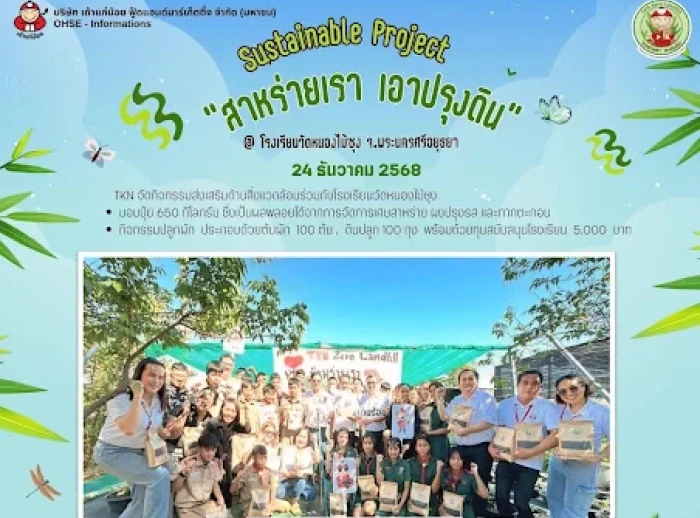
In addition, in 2025 the Company was able to use by-products from the management of non-recyclable waste, such as seaweed residues, molasses and sludge, which are processed into soil conditioner, part of which was used in activities promoting the benefits of school vegetable-growing projects.
Air Quality Management
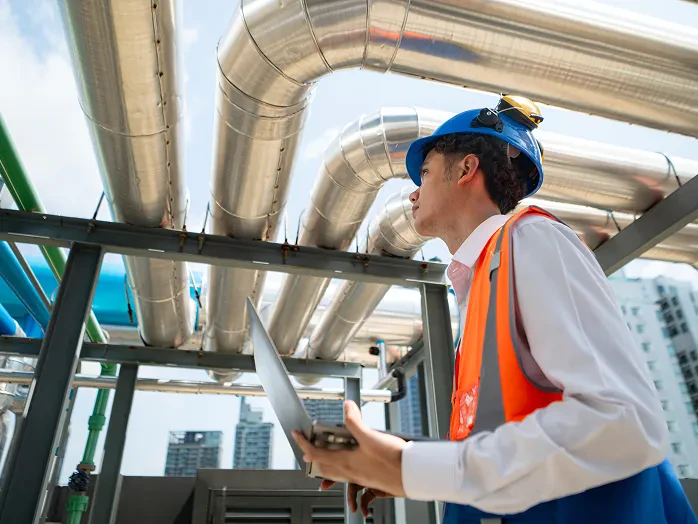
The Company places importance on controlling the quality of air released from its stacks into the external environment, setting a target of zero externally impactful emissions in respect of TSP, CO, NOx and SO2. It therefore controls and measures the quality of air discharged from its stacks and prepares reports for monitoring purposes in line with legal requirements.
In 2025, all air quality parameters met the criteria required by law.
Stakeholders Directly Impacted

Shareholders / Investors

Employees

Customers / Consumers

Business Partners